A cold store’s envelope is not just cladding — it is part of the refrigeration system. Every gap and every thermal bridge becomes a load the compressor carries for the life of the store, and that cost far outweighs anything saved by choosing cheaper materials.
1. Choosing thickness by temperature range
| Store type |
Temperature range |
Panel thickness |
| Chilled store |
0°C – 15°C |
75 – 100 mm |
| Cold store |
-18°C – 0°C |
100 – 150 mm |
| Freezer store |
-35°C – -18°C |
150 – 200 mm |
Camlock PIR panels for cold and freezer stores
2. Why a cold store should use a PIR core
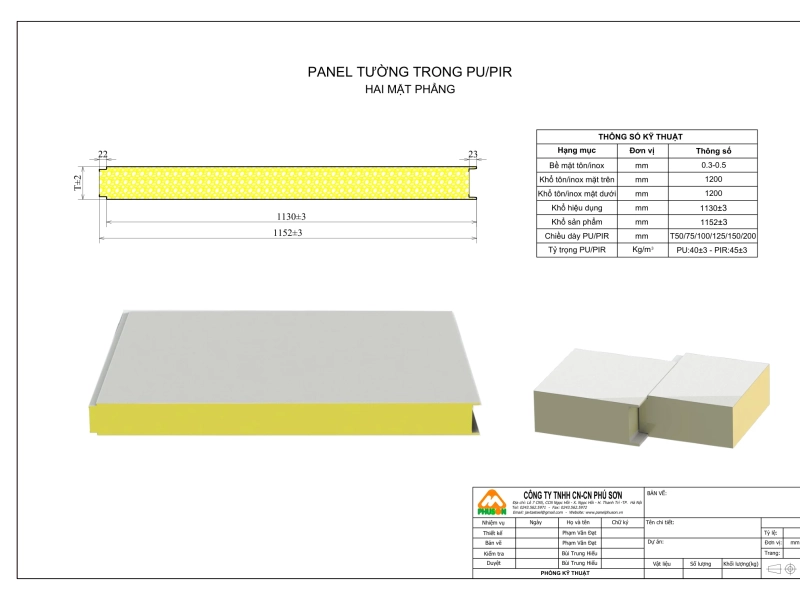
PIR has a lower thermal conductivity and works across a wider temperature range than PU. In a deep-freeze store the temperature difference across the panel is large and constant — far harder service than an ordinary factory wall.
3. The camlock and jointing
A camlock lets the joint be drawn tight from the inside, putting even pressure on the gasket and limiting the thermal bridge at the junction. Once fitted, every joint needs foaming and sealing. This is the step that decides how well the store actually performs.
Where the thermal bridges are: the wall base, the corners, the refrigerant pipe penetrations and the door. Those four points account for most of the heat loss in a poorly built store.
4. Floors, doors and ancillary systems
- Deep-freeze floors: need insulation and a way of stopping the ground freezing.
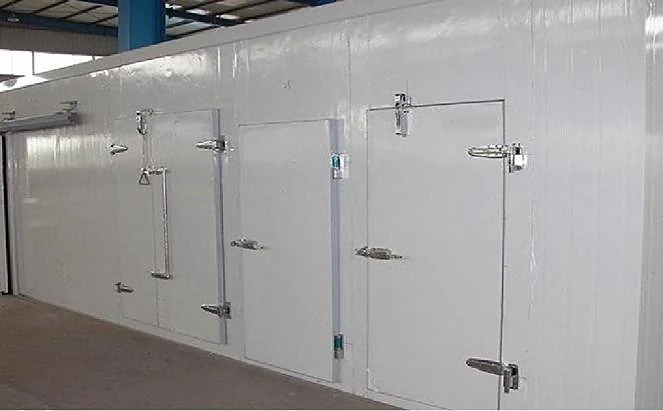
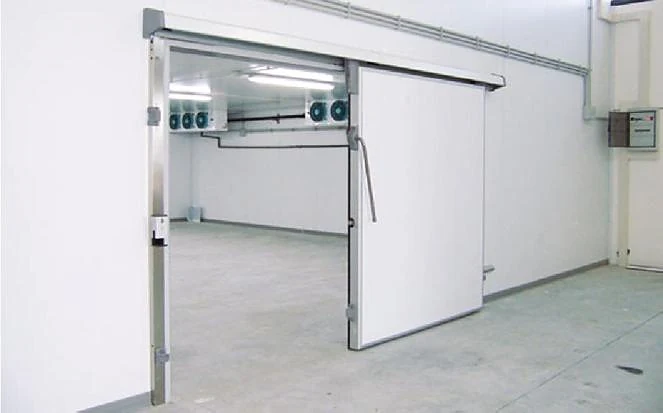
- Cold store doors: pick the right sliding or hinged door with a heated frame so the gasket does not freeze.
- Pressure relief valves: essential on a sealed store so the envelope does not deform as the temperature changes.
Conclusion
For a cold store, the cost of the envelope should be counted together with years of running electricity. An envelope done properly from the start is almost always cheaper than saving at the outset and paying for it in power.