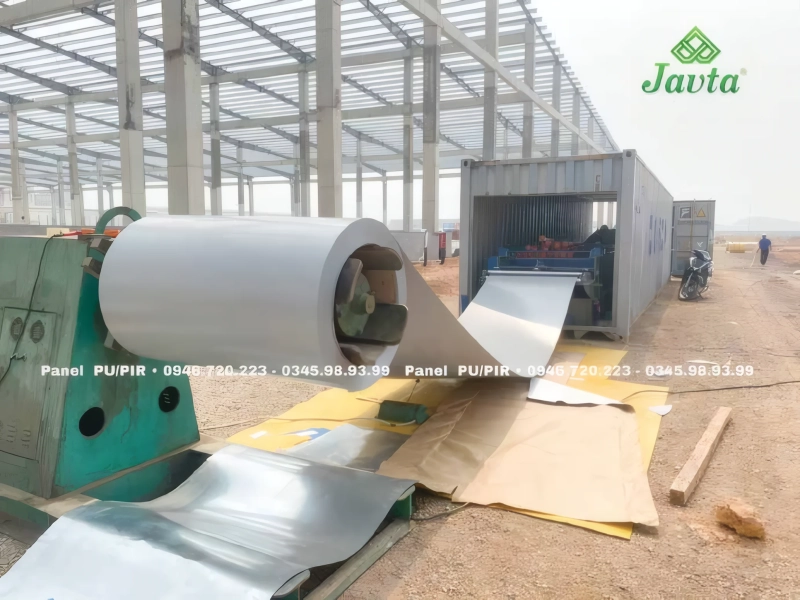
1. What is a PU/PIR insulated panel?
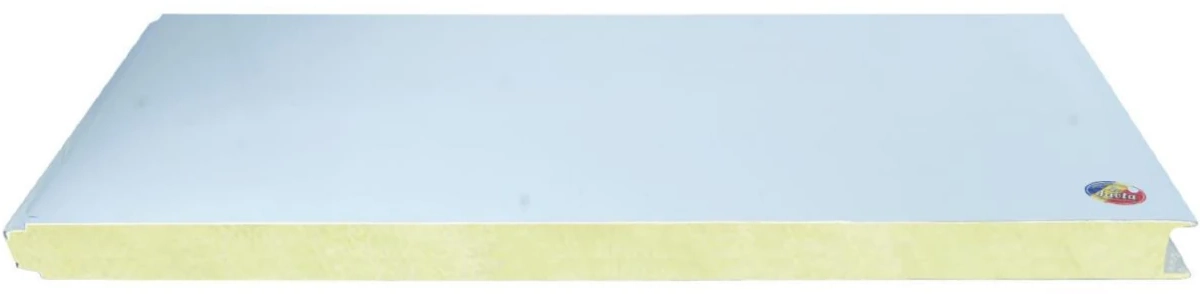
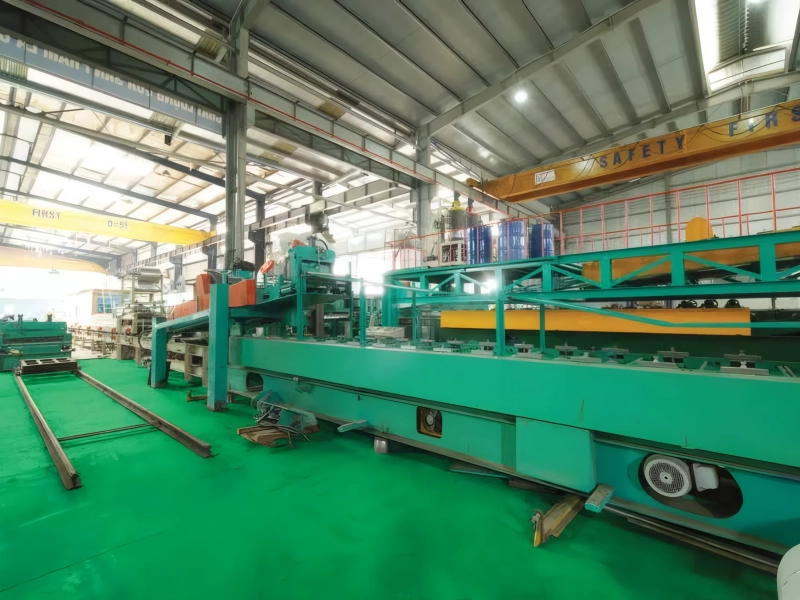
A PU/PIR insulated panel is a sandwich panel built from a PU (polyurethane) or PIR (polyisocyanurate) insulation core between two skins of galvanized, pre-painted or stainless steel. It is produced on modern lines to a high dimensional accuracy, with outstanding thermal, acoustic and fire performance.
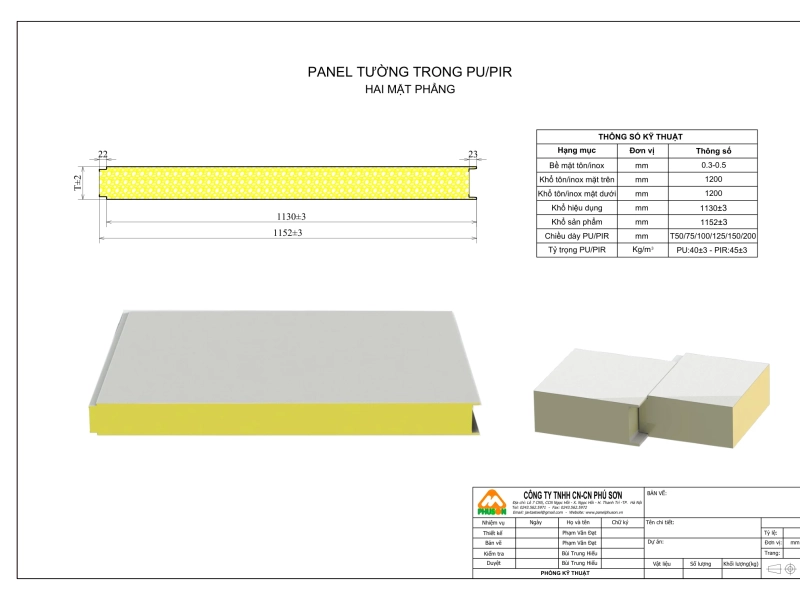
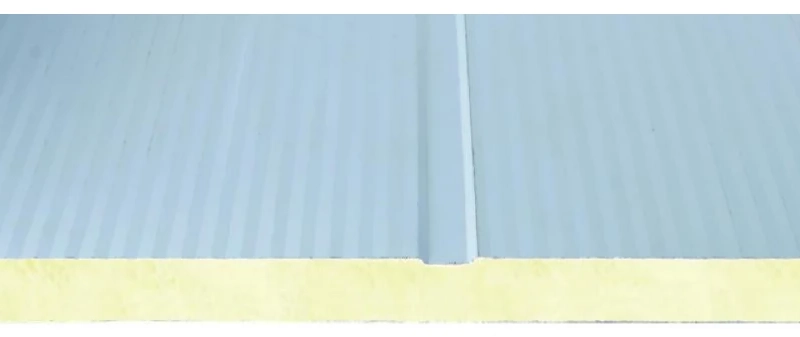
2. How a PU/PIR panel is built up
- Steel facing: galvanized steel, aluminium-zinc coated steel or stainless steel, typically 0.35 – 0.7 mm thick.
- Adhesive layer: a two-component polyurethane adhesive that bonds the steel to the core.
- Insulation core: PU or PIR at 35 – 45 kg/m³ — high density and good insulating performance.
- Interlocking joint: a tongue-and-groove or camlock joint that holds the panels tightly together and limits heat loss.
Detailed build-up of the PU/PIR panel
3. Key advantages
Outstanding thermal insulation
A low thermal conductivity that holds temperatures steady.
Effective fire resistance
The PIR core resists flame spread well.
Fast installation
Light in weight with a solid interlock.
High durability
A 20–30 year service life, corrosion-resistant.
Good looking & flexible
A clean flat surface in a wide range of colors.
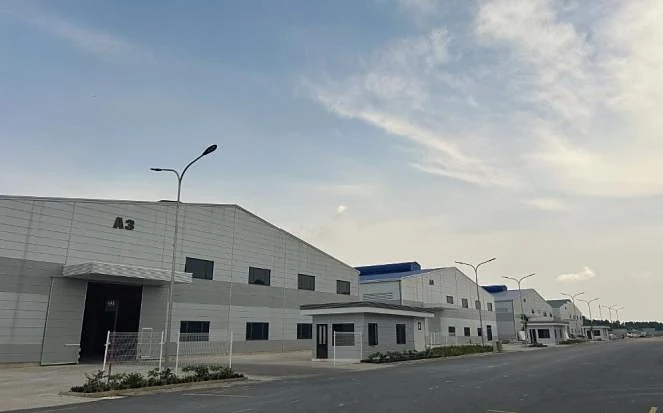
4. In use on site
With these advantages, PU/PIR panels are used widely across many sectors:
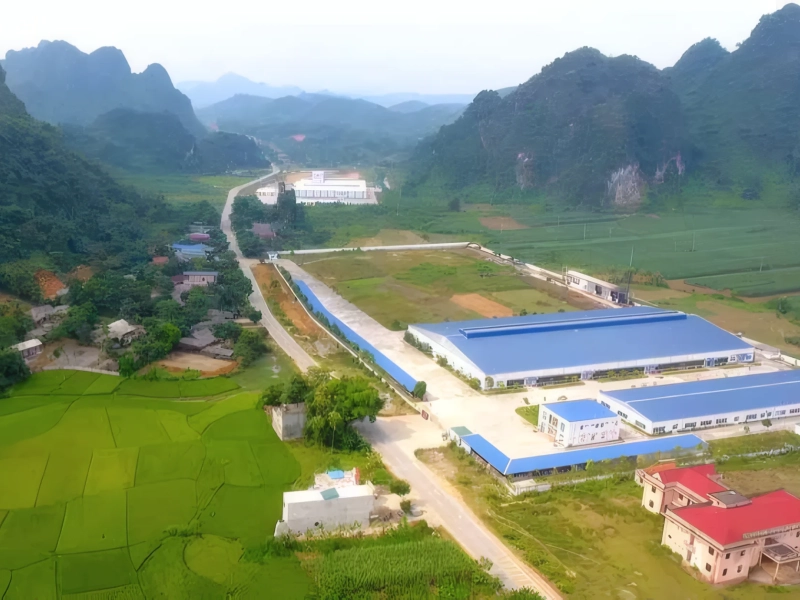
Industrial factory buildings
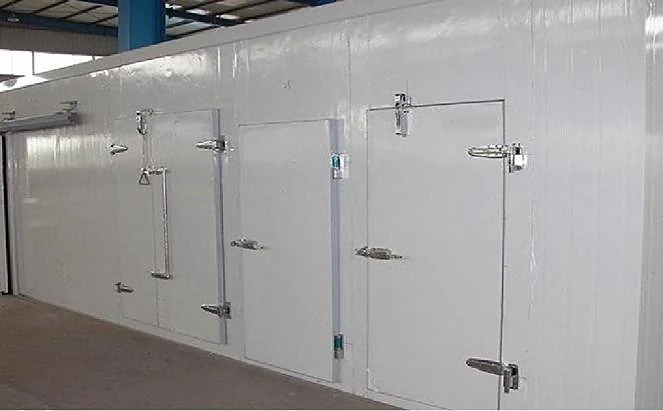
Cold storage – Storage warehouses
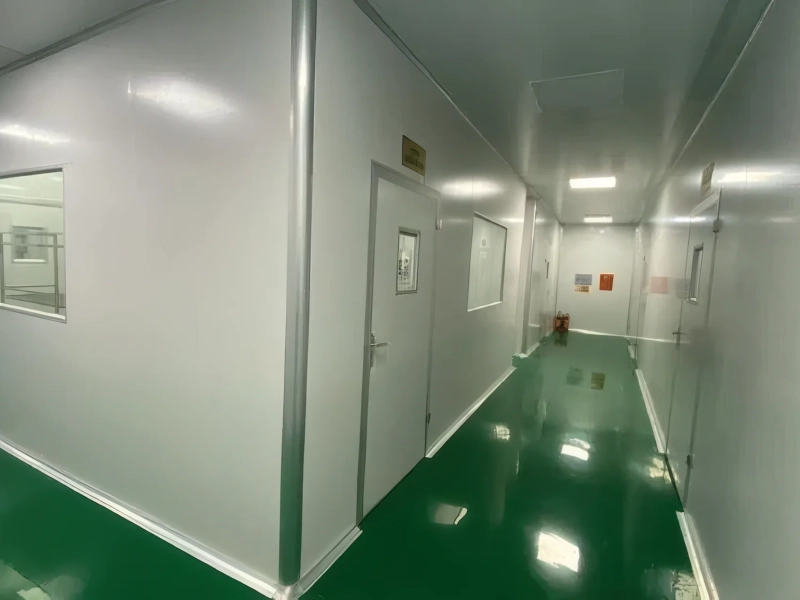
Cleanrooms and laboratories
Food and pharmaceutical plants
5. PU compared with PIR
| Criterion |
PU (polyurethane) |
PIR (polyisocyanurate) |
| Thermal conductivity |
0.022 – 0.024 W/m.K |
0.019 – 0.022 W/m.K |
| Fire performance |
Moderate |
Very good |
| Thermal stability |
-40°C to +80°C |
-40°C to +120°C |
| Best suited to |
Factories, offices, civil buildings |
Cold stores, cleanrooms, projects with high fire requirements |
| Cost |
Lower |
Higher |
Note: PIR resists fire and heat better than PU, which suits projects with demanding safety standards.
6. Choosing and installing
- Match the panel thickness to how the building will be used and to the climate.
- Favour a reputable manufacturer with quality certification and a clear warranty.
- Install to procedure and seal the joints properly, so no heat escapes and no water gets in.
- Maintain regularly and clean the steel surface to extend the building’s life.
Choosing the right panel and installing it properly lets a building perform at its best, cut running costs and stay safe for years.
– Phu Son Group
7. Conclusion
The PU/PIR insulated panel is a modern material that answers the demands of insulation, fire performance, fast installation and appearance. Picking the right panel and a reputable supplier gives a building better performance, lower cost and a longer life.