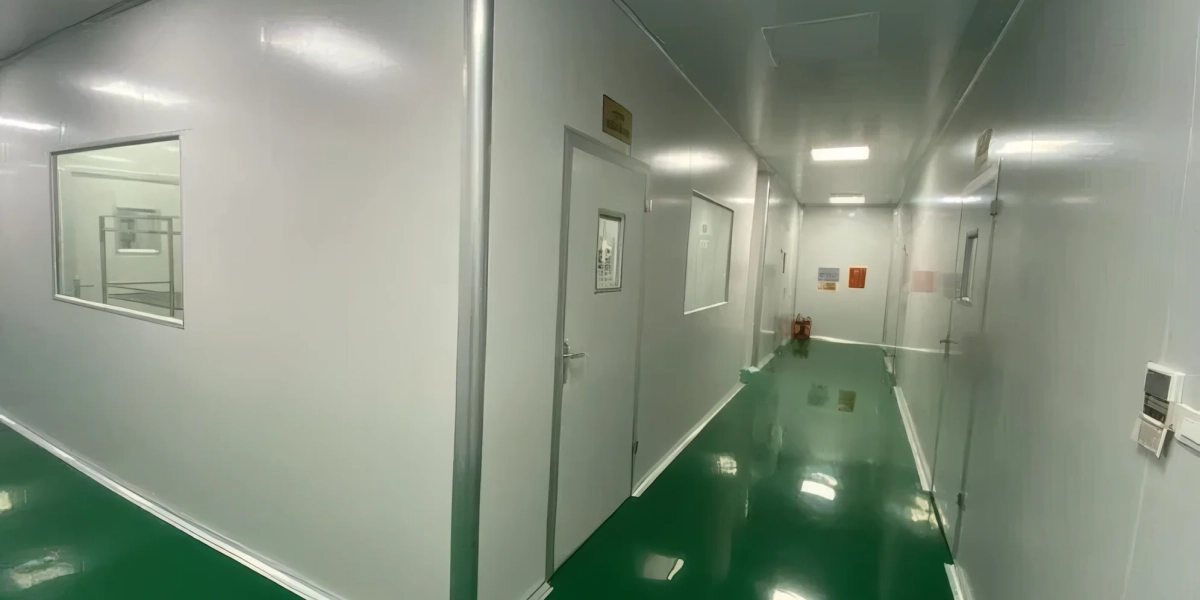
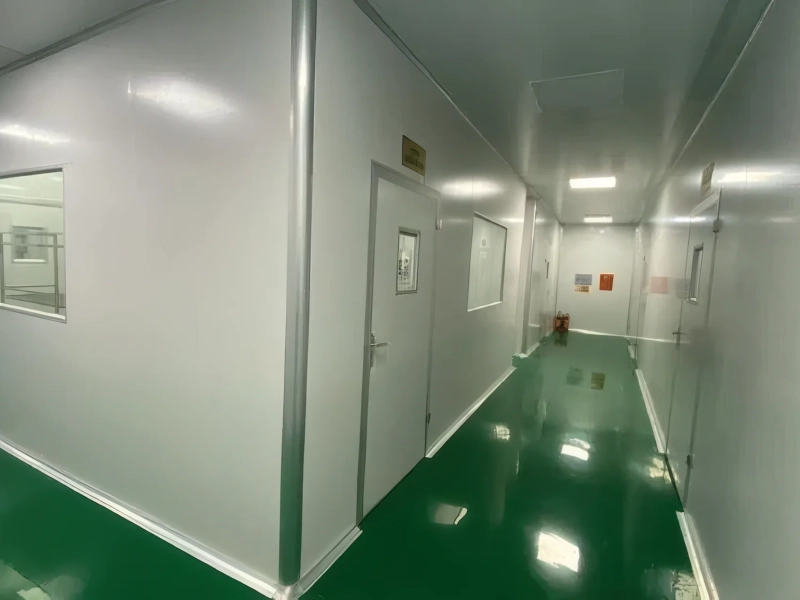
A cleanroom asks for something quite different from an ordinary factory: the surface must be smooth, shed dust and stand up to cleaning chemicals, and the whole system must be sealed to hold its cleanliness class. So the wall and ceiling materials are chosen on hygiene first and insulation second.
1. What a cleanroom wall material has to do
- A smooth, non-porous surface: less dust and fewer microbes, and easy to wipe down.
- Chemical resistance: the surface must take the disinfectants used every day.
- No dust generation: the material must not flake or shed fibres.
- Sealed throughout: joints must be coved and sealed, leaving no gaps.
Cleanroom walls and ceilings for food and pharmaceutical plants
2. Choosing the steel facing
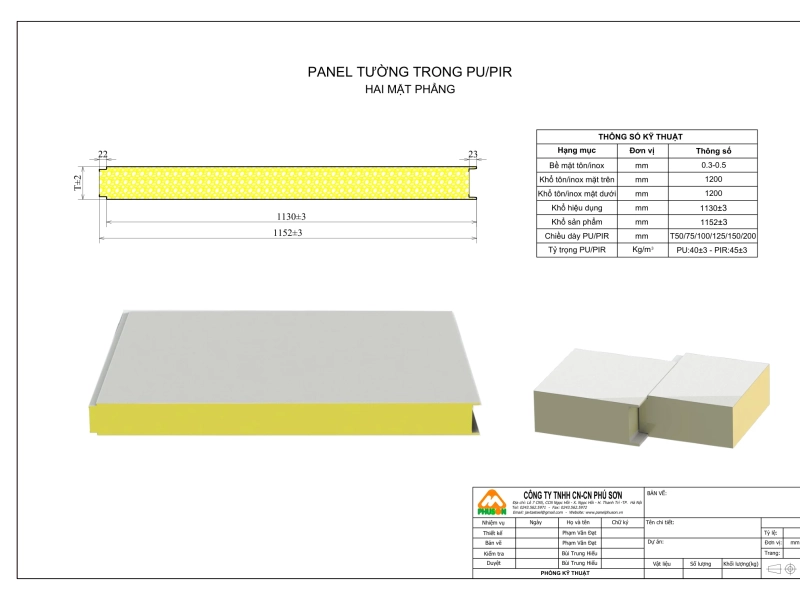
For high-grade cleanrooms and food and pharmaceutical plants, stainless steel is the usual choice for its chemical resistance and hygienic durability. Areas with lower requirements can use pre-painted steel with an antibacterial coating.
3. Choosing the insulation core
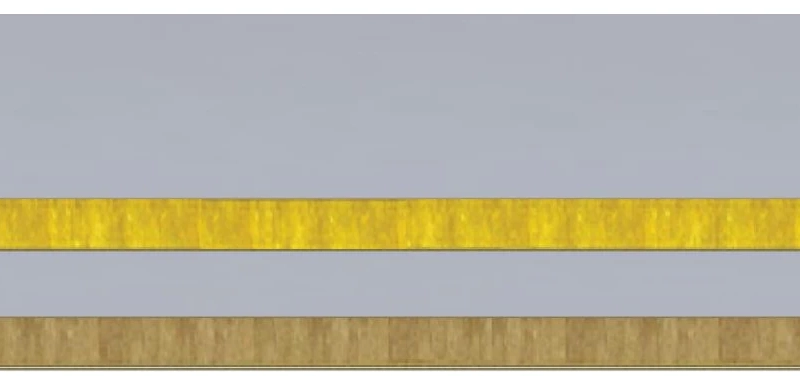
PIR is preferred because it combines good insulation with good fire performance. Where fire requirements are higher still, a mineral wool core is the alternative, at the cost of a heavier panel.
The detail that decides it: coving at the wall-to-wall and wall-to-floor junctions. Without it, dust settles at the base of the wall and cleaning never quite passes.
4. What goes with it
- Cleanroom doors with a flush vision panel and sealed gaskets.
- Pass boxes and air showers at transitions between cleanliness classes.
- Load-bearing ceilings to carry HEPA filters and recessed lighting.
- A purpose-made joint sealing system — not ordinary silicone.
Conclusion
A cleanroom’s class is the sum of the materials, the accessories and the standard of installation. Choosing one supplier for walls, ceilings and accessories avoids the situation where the material meets the standard but the junction details do not.