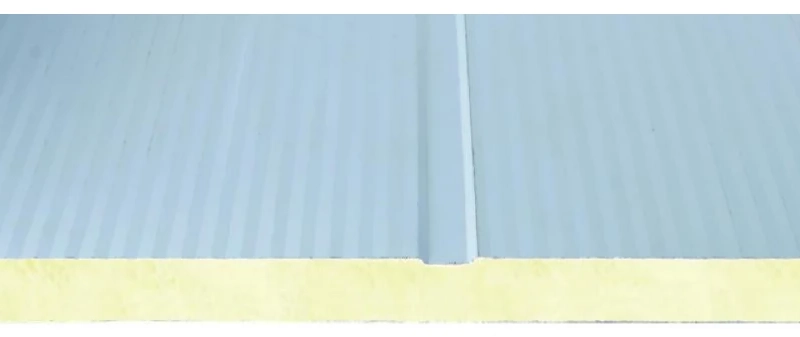
On projects that require fire safety approval, the envelope material is no longer just an aesthetic or budget choice — it decides whether the submission is approved. This article covers what a client needs to know about the fire performance of panels.
1. Core materials and how they behave in fire
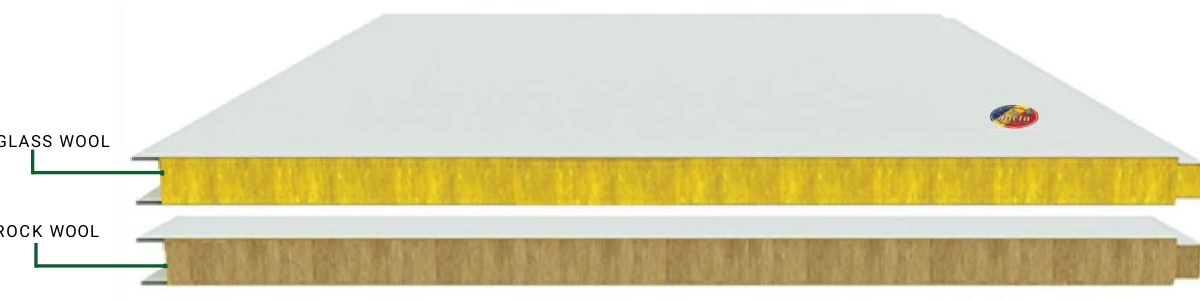
- Rock wool: non-combustible and stable above 1000°C — the highest level of fire safety.
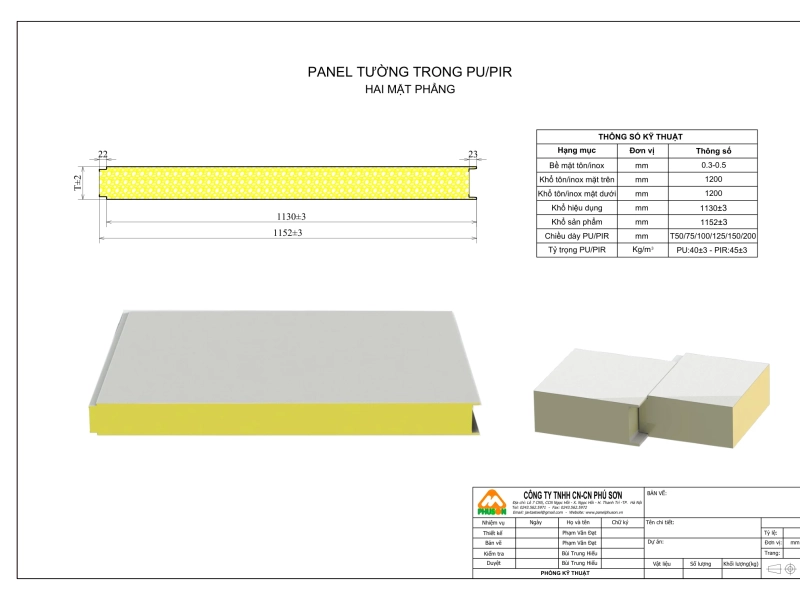
- PIR: forms a protective char when exposed to flame, limiting spread and reducing smoke.
- PU: moderate fire performance, suitable for projects not subject to approval.
- EPS: needs careful consideration against current regulations before use anywhere with a fire requirement.
Panel lines for areas with fire-protection requirements
2. How a fire resistance rating is determined
The fire resistance of a fire-separating element is established by testing a complete specimen and is expressed in minutes (EI 60, EI 90, EI 120…). That figure belongs to the whole system — panel, framing, jointing accessories and the way it is installed — not to the panel on its own.
This matters: a panel certified to EI 90 installed to the wrong detail, without the right trims or with mismatched accessories no longer gives you an EI 90 wall. Always build to the construction drawings that came with the certificate.
3. The documents to have ready
- Conformity certificates and fire resistance test results for the wall and roof systems.
- Detailed construction drawings accompanying the test results.
- Works certificates for each batch delivered.
4. What to watch during installation
Pipe and cable penetrations and movement joints are the weak points most often missed — they need to be filled with proper fire-stopping material. Panel-to-panel joints must use the specified joint type and the specified fixings.
Conclusion
Fire performance is a question of the whole system, not the material alone. Choosing a supplier with complete test documentation and construction guidance makes approval and handover go far more smoothly.