Insulated roofing: the types, their advantages and how to choose for each project
The roof takes more solar radiation than any other surface. A comparison of PU/PIR, EPS and mineral wool roofing, and how to choose the thickness and rib profile.

The roof takes more solar radiation than any other surface. A comparison of PU/PIR, EPS and mineral wool roofing, and how to choose the thickness and rib profile.
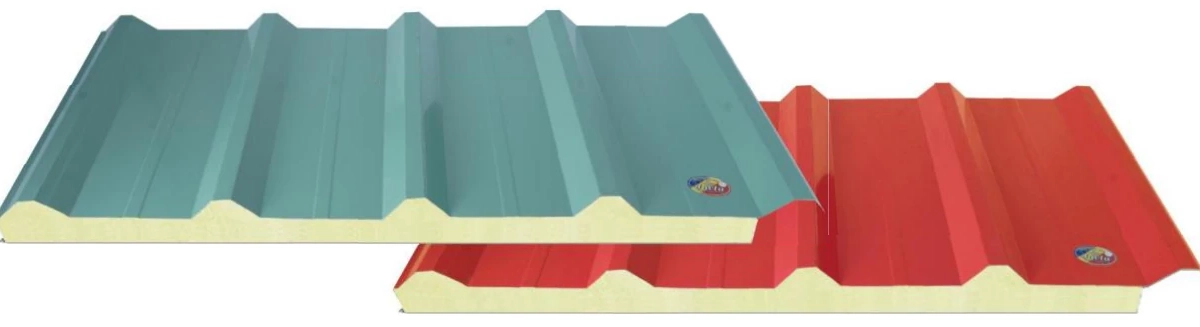
Insulated roofing replaces traditional single-skin steel on the roof — the surface that takes more solar radiation than any other. A single-skin roof can push the temperature inside a factory above the outdoor temperature, while an insulated roof keeps that difference within reason without adding ventilation capacity.
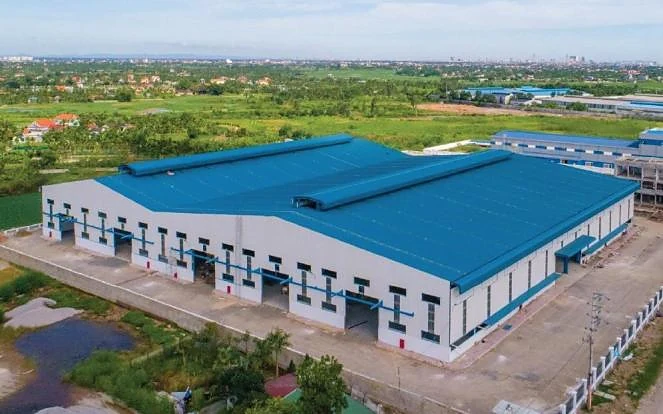
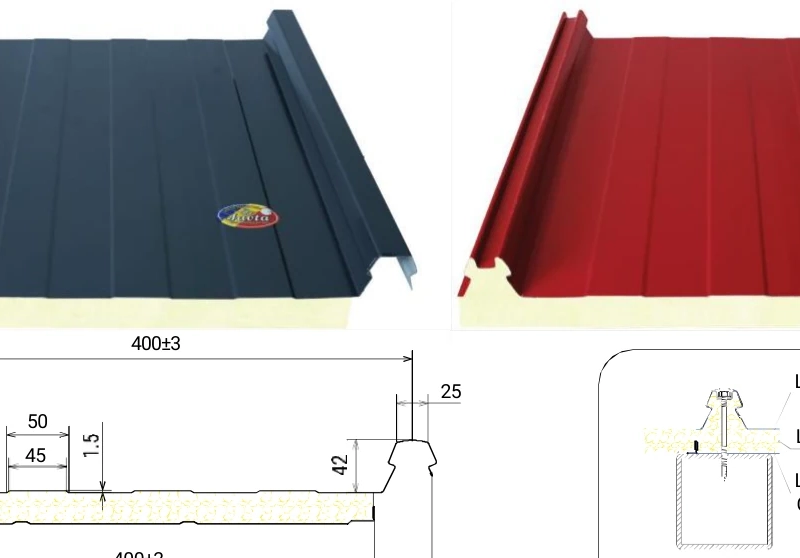
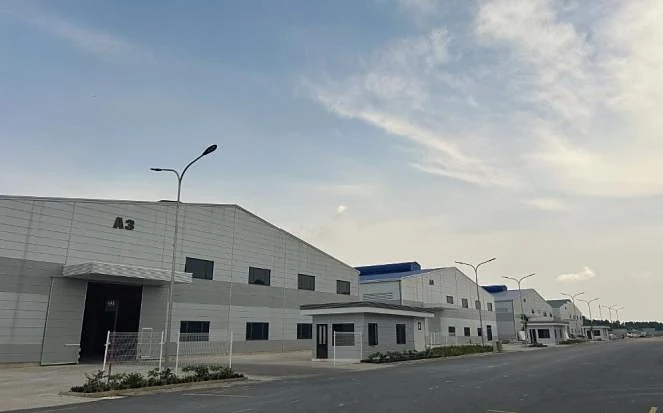
The insulated roofing lines most often used on factories
In a factory the roof takes direct radiation almost all day and is the largest surface there is. Insulating the roof usually buys more per unit of cost than insulating the walls, especially in a hot climate.
Choosing insulated roofing is a balance between thermal performance, fire requirements and budget. For most industrial factories, a PU/PIR panel of 25 – 50 mm strikes that balance well.
Phu Son Group's engineers are ready to help.

A close look at the build-up, the insulation principle and the advantages of PU/PIR panels — a material used widely in factories,…
Read more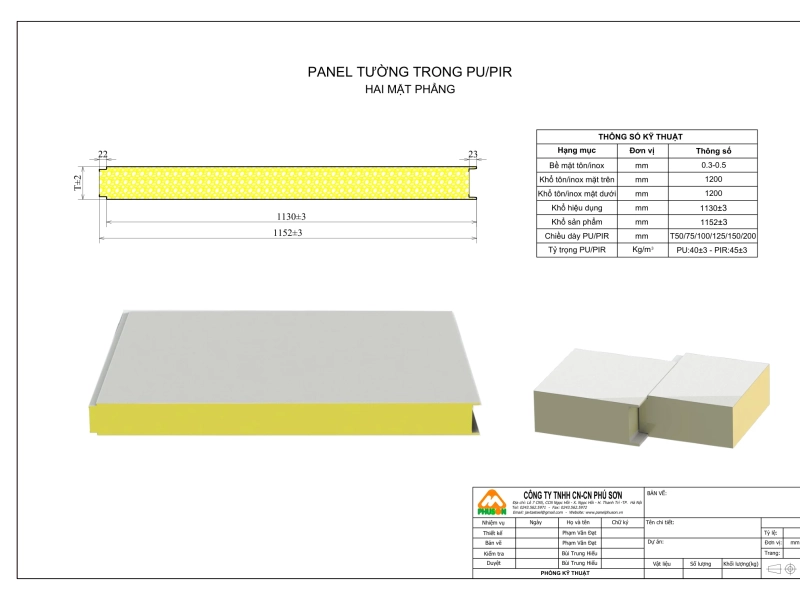
A look at the layers that give a PU/PIR panel its thermal, acoustic and fire performance, and how to read the specification…
Read more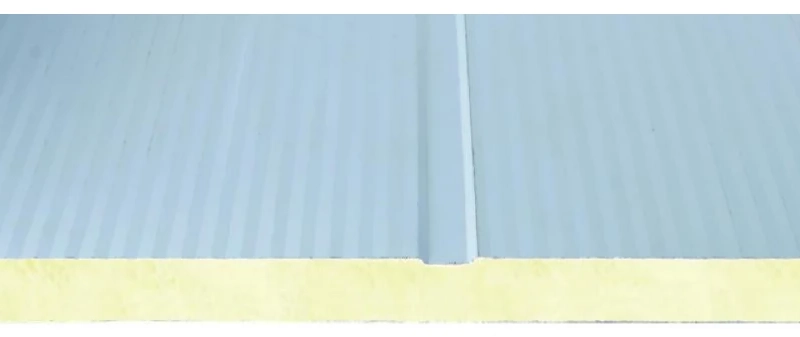
A detailed comparison of PU and PIR cores on thermal conductivity, fire performance, thermal stability and cost, to help pick the right…
Read more